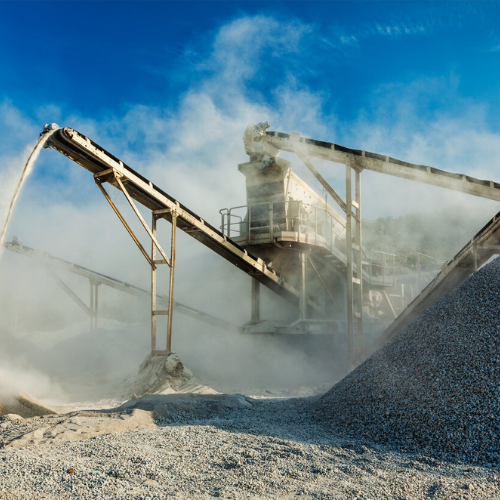
Dust is typically controlled using a high-pressure mist dust suppression system. These systems release ultra-fine water droplets that capture airborne dust particles generated at crushers, conveyors, and transfer points, significantly reducing air pollution.
The most effective solution is a mist or fog-based dust suppression system, which uses high-pressure nozzles to emit water mist. This method is preferred because it uses less water, is chemical-free, and can be automated to target specific dust sources like primary crushers and screening units.
Yes. Crusher dust suppression systems are designed to reduce dust without soaking materials. The droplet size is typically under 50 microns, allowing it to trap dust in the air without affecting the moisture content of crushed stone or sand.
The highest dust generation typically occurs at:
1. Jaw or impact crushers
2. Conveyor transfer points
3. Hoppers and chutes
4. Screening machines
5. Material loading and unloading zones
Yes. Fogging systems offer superior control with less water usage. Traditional spray systems may over-wet the material or miss fine particles. In contrast, fog-based dust suppression captures airborne particles more effectively and is better suited for dry, dusty environments.
Yes. Inhalation of fine stone dust (especially particles under 10 microns) can lead to respiratory conditions such as silicosis. Effective dust control is essential to protect worker health and comply with environmental regulations.
Absolutely. Dust suppression systems for crusher plants are modular and customizable. They can be retrofitted into existing setups without major operational disruptions.
No, the dust suppression system for crusher plants is designed to integrate seamlessly without disrupting existing workflows. It operates quietly and efficiently in the background, ensuring effective dust control while your plant runs at full capacity.
Yes. Our crusher dust suppression system is built with weather-resistant materials, allowing it to perform reliably in high heat, humidity, or dusty outdoor environments. It's ideal for demanding quarry and mining conditions.