Categories
misting system

10 reasons why you need a mist cooling system

A mist cooling system is an efficient way to cool buildings, both indoor and outdoor areas with using very little water and energy. Misting systems are a great alternative to air conditioning or other options for temperature control in the case of power outages.

Here are 10 reasons why you need a mist cooling system:

- mist systems are considered as the most efficient and environmentally friendly cooling technique

- they help in creating a cool environment without using very much water or energy, making them great for outdoor areas such as patios, terraces, or poolside. Outdoor misting is also an excellent way to keep plants from getting scorched by sunlight

- because of their high-efficiency rate, it typically takes 20 minutes to heat up while taking no more than five minutes to get back down into its initial temperature when powered on again after turning off. This means that even if the power goes out you won’t have long periods of time where your building will be unbearably hot

- there are times during the day when electricity rates can be higher for running an air conditioning system. Mist cooling system is a replacement option for those times, providing a cooling effect at just twice the cost of an energy-efficient air conditioner

- mist systems are also more environmentally friendly and don't use any ozone-depleting substances.

- they work in conjunction with solar control films or other shading devices that keep heat out during the day and cool in hot climates while blocking infrared radiation from sunlight during night hours when temperatures fall below freezing

- there is no worry about refrigerants leaking into your homes like it does with traditional AC units; which can be harmful to our environment because it's classified as a greenhouse gas responsible for global warming

- since these systems operate by spraying water minute particles, chilling effects is higher and faster, meaning that its cooling effects are felt right away

- the system can be used in both indoor and outdoor areas. Unlike traditional air conditioning systems which require a high humidity level to cool an area efficiently, misting systems work well with low humidity levels too

- they deliver higher humidities than evaporative coolers so it provides better relief from dry skin or other respiratory ailments like asthma caused by lower moisture content in the air due to climate change or higher altitude. They also offer more comfort for people who have sensitivities to chemicals found in some mechanical filters of AC units

- because there is less pressure on the compressor unlike conventional AC compressors, there is no need for regular maintenance such as replacing seals and oil every few years. Only the maintenance of misting pump, nozzles, and misting line is enough to keep it running smoothly

One of the most compelling reasons to opt for mist cooling is its ability to significantly reduce ambient temperatures, providing a respite from the scorching heat during hot summer months. This is particularly crucial for outdoor spaces such as restaurants, cafes, and event venues where customers seek comfort and relaxation. By creating a cool and refreshing environment, mist cooling can enhance the overall experience for patrons and encourage them to stay longer.

Furthermore, mist cooling systems are highly efficient and environmentally friendly. Compared to traditional air conditioning units, misting systems consume significantly less energy, making them a cost-effective and sustainable cooling solution. The fine mist created by these systems evaporates quickly without leaving any residual moisture, ensuring that the surrounding area remains dry and free from any water-related hazards. This makes mist cooling an ideal choice for outdoor areas where maintaining a safe and comfortable environment is paramount.

In conclusion, the implementation of a mist cooling system is a practical and effective way to enhance customer satisfaction, reduce energy consumption, and create a pleasant outdoor atmosphere. Whether you own a business or simply want to improve your outdoor living space, investing in a mist cooling system can bring about numerous benefits that will undoubtedly elevate your overall experience.

Want to know more about the mist cooling system offered by us? CLICK HERE

Categories
misting system

Nylon Misting tubes Vs Stainless Steel Misting tubes Vs Copper Misting tubes

Nylon Misting tubes Vs Stainless Steel Misting tubes Vs Copper Misting tubes

Nylon Misting Tubes:

A nylon tubing high pressing factor clouding framework (1000psi) from Advanced Misting Systems can decrease the temperature of your outside region by 30 degrees! The greatest benefit a high pressing factor moistening framework has over a low (150psi) or mid (300psi) pressure framework is that the 1000psi siphon delivers a water drop that is a lot more modest, a more modest water drop implies the dissipation is faster, and this equivalents a lower temperature drop.

Our nylon tubing high pressing factor clouding frameworks are top notch quality and incorporate every one of the parts and fittings required for establishment (see full parts records beneath). Our 1000 psi clouding units are intended for simple establishment, the normal DIYer ought to generally approve of establishment.

Stainless Steel Misting Tubes:

                                Stainless steel tubing is designed for the ultimate in quality and durability and represents the highest quality materials available for the installation of a high pressure mist system. This mist tubing can withstand pressures in excess of 3000 psi and is recommended for mist systems that utilize treated water or chemical injection.

 Copper Misting tubes:

                Copper misting tubes can withstand high pressure above 100 bars and up to 500 bar pressure.Copper tube  is not widely used because of the cost .It is more effiency than other tubes.

Nylon tubes are flexible and least expensive

Stainless steel misting tubes are expensive

Copper misting tubes can withstand high pressure above 100 bars and up to 500 bar pressure.

Categories
misting system

300 psi misting pump vs 1000 psi misting pump

Pump:

The misting pump creates the amount of water flow (volume of water). The motor creates the pressure. The pump (and motor) are housed in a single unit that controls water volume and water pressure. The water in your misting system needs enough pressure behind it to force it through the tiny nozzles that create the mist.

PSI:

As we work with water pumps, we find that pressure is presented to us in two common units: PSI (pounds per square inch) or feet of head. As we size a pumping system, we'll want to accomplish building pressure (PSI). The relationship between PSI and feet of head is that 2.31 feet of head = 1 PSI

The major Differnce Between the Pump:

300 PSI - These type pump is used for the medium purpose used where there is use of droplets of water EX: misting system for garding

100 PSI - these type pupm is used for the high level cooling environment .EX:Misting system for industeries and chillers

300 psi misting pumps are medium pressure misting pumps. bigger droplet size.

1000 psi misting pumps are High pressure misting pumps. tiny mist droplet size.

Categories
misting system

How Dust control misting system can make industries environmental complaint

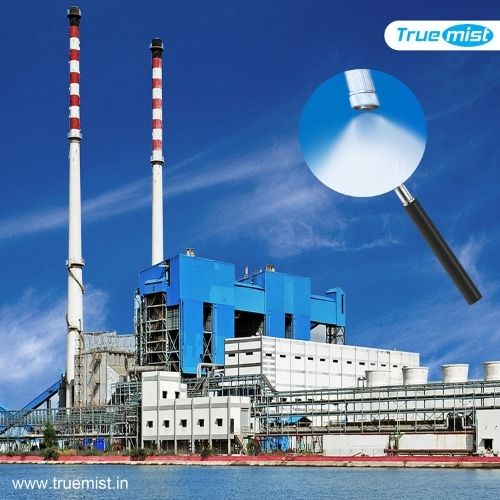
Dust control misting systems can help acheive environmental compliance within various industries. These innovative systems play a crucial role in suppressing toxic fumes, harmful particulate matter, and dust emissions that are typically produced by crusher units, coal handling plants, and chemical manufacturing facilities. By effectively capturing and neutralising these pollutants, misting systems not only enhance operational efficiency but also significantly reduce the environmental footprint of industrial activities.

One of the key advantages of dust control misting systems is their ability to mitigate air pollution and promote cleaner air quality in compliance with stringent environmental regulations. These systems utilise fine mist sprays to capture and suppress dust particles, preventing them from being released into the atmosphere and causing harm to both human health and the surrounding ecosystem. By proactively addressing pollution sources such as crusher units and coal handling plants, industries can demonstrate their commitment to sustainability and responsible environmental stewardship. Implementing dust control misting systems is a proactive and effective strategy for industries to not only remain in compliance with environmental standards but also to contribute to a healthier and more sustainable future for all.

Dust control foggers makes our surroundings greener and more sustainable. One effective method I highly recommend is the use of dust control foggers. These powerful machines are designed to suppress and eliminate dust particles, contributing to a healthier and cleaner environment.

Dust control foggers work by releasing a fine mist of water or environmentally friendly chemicals that bind with dust particles and cause them to settle down. By reducing airborne dust, these foggers help improve air quality, protect vegetation, and minimize the negative impact of dust on human health. This technology is particularly useful in construction sites, mining operations, agricultural settings, and other industries where dust control is crucial.

By incorporating dust control foggers into our environmental management practices, we can significantly reduce pollution and create a more sustainable world for future generations. It's important for businesses and individuals alike to invest in such eco-friendly solutions to minimise their carbon footprint and promote a greener planet. Let's work together to make a positive impact on our environment by utilizing dust control foggers as part of our sustainability initiatives.

A clean environment plays in ensuring the smooth operation of machines as well. The cleanliness of the workspace directly impacts the performance and longevity of machinery, making it imperative to uphold high standards of cleanliness in industrial settings. When machines are operated in a clean environment, they are less prone to malfunctions and breakdowns, leading to increased productivity and efficiency.

A clean environment reduces the build-up of dust, dirt, and debris that can clog machine components and impede their functioning. Regular cleaning and maintenance routines help prevent corrosion, wear and tear, and overheating, all of which can significantly compromise the performance of machinery. Furthermore, a clean environment promotes better air quality, which is essential for the proper functioning of sensitive machine parts such as filters and cooling systems. By prioritising cleanliness in the workplace, professionals can not only prolong the lifespan of their machinery but also minimise costly repairs and downtime, ultimately maximising operational efficiency and profitability.

Categories
misting system

Steps to maintain misting pumps

Steps to maintain misting pumps are as follows.

  1. Maintain right Oil level
  2. Periodic Oil check
  3. Periodic working conditions of misting pump
Categories
misting system

How industries can benefit from Misting System

Industries today face rising temperatures, increased humidity, and dust-related issues that can impact worker productivity, equipment efficiency, and overall operations. Traditional cooling solutions like air conditioning can be expensive and ineffective for large spaces. This is where misting systems come in—an energy-efficient, cost-effective solution for industrial cooling and humidification.

This article explores how misting systems benefit industries, real-world case studies, and expert insights to help businesses make informed decisions.

How Misting Systems Work

A misting system uses high-pressure pumps to create ultra-fine water droplets that evaporate instantly, reducing the surrounding temperature without wetting surfaces. This evaporative cooling process provides efficient temperature control, dust suppression, and humidity regulation—essential for industries operating in high-heat environments.

Comparison with Other Cooling Solutions

FeatureMisting SystemsAir ConditioningEvaporative Coolers
Cooling EffectReduces temp by up to 12°CCools enclosed spaces onlyLimited to dry climates
Energy EfficiencyLow power consumptionHigh energy usageModerate
Installation CostAffordableExpensiveModerate
Water ConsumptionLow (recycled mist)NoneHigh

Industries That Benefit from Misting Systems

Misting systems are widely used across multiple industries for temperature regulation, humidity control, and dust suppression. Below are some industries where misting technology is making a significant impact.

  1. Manufacturing & Warehouses
  2. Agriculture & Greenhouses
  3. Commercial Spaces (Restaurants, Hotels, Amusement Parks)
  4. Industrial Dust Suppression
  5. Textile & Paper Industry (Humidity Control)
Categories
misting system

What can go wrong in a Misting System Installation

Installing a misting system can be an excellent way to cool outdoor spaces, but improper installation can lead to several issues. Below are some common problems and how to prevent them to ensure your system operates efficiently

Following items can go wrong in a Misting System Installation.

1.Clogging of misting filters

Issue: Over time, misting filters can become clogged due to dirt, mineral buildup, or impurities in the water supply.

Solution:

  • Regularly clean or replace misting filters every 3-6 months.
  • Use filtered or softened water to reduce mineral deposits.
  • Flush the system before first-time use or after a period of inactivity.

2.Excessive sediments deposit in the nozzle filters

Issue: Excessive deposits of sediment in nozzle filters can reduce misting efficiency and result in uneven misting or nozzles getting blocked.

Solution:

  • Install a high-quality pre-filter to remove sediments from the water supply.
  • Unscrew and clean nozzles regularly using vinegar or a descaling solution.
  • Consider stainless steel nozzles, which are more resistant to clogging than plastic ones.

3.Excessive water flow in a smaller misting system length

Issue: If a misting system is too small for the water flow rate, it can lead to leaks, inconsistent misting, and pressure issues.

Solution:

  • Ensure the pump capacity matches the system’s total length and nozzle output.
  • Use a pressure regulator to maintain consistent misting.
  • Avoid excessive water flow by selecting the right tubing size based on the system’s length.

4.Exposure of Nylon misting pipe to heat and sunlight

Issue: Prolonged exposure to direct sunlight and high temperatures can cause nylon misting pipes to degrade, leading to cracks and leaks.

Solution:

  • Use UV-resistant misting tubing to prevent sun damage.
  • Install misting lines under shade or protective covers where possible.
  • Consider switching to stainless steel pipes for long-term durability.

5.Blockage of nozzle orifice can lead to an increase in back pressure which causes the misting line to break

Issue: When nozzles get blocked, back pressure increases, which can lead to misting line breakage and system failure.

Solution:

  • Perform routine maintenance to clean nozzles and prevent blockages.
  • Use anti-drip nozzles that help regulate pressure.
  • Ensure the system’s pressure relief valve is functioning correctly.
Categories
misting system

Steps to maintenance Misting System

Following components of the misting system should be regularly maintained for efficient and uninterrupted operations of misting system.

It is essential to understand the key components that require regular maintenance to ensure efficient and uninterrupted operations. There are several crucial elements within a misting system that play a vital role in its overall performance.
First and foremost, the misting nozzles are a critical component that needs to be regularly maintained. Over time, these nozzles can become clogged with mineral deposits or debris, affecting the misting system's effectiveness. By regularly cleaning and inspecting the nozzles, you can ensure a consistent and fine mist output.
Another important component to upkeep is the pump. The pump is responsible for pressurizing the water and pushing it through the system. Regularly checking for any leaks, ensuring proper lubrication, and keeping the pump filter clean are essential maintenance tasks to prevent malfunctions and ensure a continuous misting operation.
In addition, the tubing and fittings of the misting system should be inspected for any signs of wear and tear, leaks, or blockages. Any damaged or deteriorating parts should be promptly replaced to maintain the system's efficiency.
By dedicating time to regular maintenance of these key components, misting system professionals can ensure optimal performance and prolong the lifespan of the system, providing clients with consistent and refreshing misting experiences.
  1. Misting filter
  2. Misting pump
  3. misting nozzles
  4. Misting line

How to maintain Catridge water filter?

Properly maintaining cartridge water filters to ensure their optimal performance and longevity. To begin with, it is essential to follow the manufacturer's guidelines for replacing the filter cartridge at regular intervals. This is typically recommended every 6-12 months, depending on the usage and water quality in your area. Regular replacement of the cartridge ensures that the filter continues to effectively remove impurities, sediment, and contaminants from the water.
In addition to cartridge replacement, it is crucial to routinely clean and inspect the filter housing and components. Start by turning off the water supply, relieving any pressure in the system, and then carefully remove the filter cartridge. Clean the housing with a mild detergent and warm water, ensuring all debris and build-up are thoroughly removed. Inspect the O-rings and seals for any signs of wear or damage, as these are vital for maintaining a tight seal and preventing leaks. Once the housing is clean and dry, insert a new filter cartridge following the manufacturer's instructions and reassemble the unit.
By diligently following these maintenance practices, you can ensure that your cartridge water filter continues to deliver clean and safe drinking water for you and your family. Regular maintenance not only improves the filter's performance but also extends its lifespan, saving you money in the long run. Remember, clean water is essential for good health, and proper maintenance of your water filter is key to achieving this goal.

how to maintain high pressure Misting pump?

Optimal functioning of a misting pump is crucial for its efficiency and longevity. Regular maintenance is key to preventing breakdowns and ensuring consistent performance. One essential aspect of maintaining a high-pressure misting pump is inspecting and cleaning the pump regularly. This involves checking for any build-up of dirt, debris or mineral deposits that may affect the pump's operation. Cleaning the pump components using mild detergent or a specifically formulated cleaner will help prevent clogs and ensure smooth functioning.
Another important maintenance task is checking and tightening any loose connections or fittings in the misting system. Over time, vibrations and pressure fluctuations can cause fittings to become loose, leading to leaks and inefficiencies. Regularly inspecting and tightening these connections will help maintain the integrity of the system. Additionally, checking the pump's voltage and amperage levels to ensure they are within the manufacturer's recommended range is essential for preventing overheating and electrical issues.
Furthermore, it is recommended to replace any worn or damaged components, such as seals or O-rings, to prevent leaks and maintain the pump's performance. Lubricating moving parts, such as pistons or bearings, with the manufacturer's recommended lubricant will also help prolong the pump's lifespan. By following these maintenance practices and scheduling regular inspections, you can ensure that your high-pressure misting pump operates smoothly and efficiently, providing effective cooling and comfort for years to come.

how to maintain misting nozzles?

Proper maintenance to ensure optimal performance of misting nozzles. Regular maintenance is key to extend the lifespan of your misting system and to ensure that it continues to function efficiently.
One of the first steps in maintaining misting nozzles is to regularly clean them to prevent clogging. Over time, dust, debris, or mineral build-up can accumulate in the nozzles, impacting their performance. To clean the nozzles, simply remove them from the system and soak them in a vinegar and water solution to dissolve any build-up. Use a soft brush to gently scrub the nozzles and rinse them thoroughly before re-installing.
In addition to cleaning, it is important to check for any damage or wear on the nozzles. Over time, the nozzles may become worn out or misshapen, affecting the spray pattern and coverage. Replace any damaged or worn-out nozzles with new ones to maintain consistent and even misting. Regularly inspecting and maintaining your misting nozzles will ensure that your misting system operates at its best and provides you with a refreshing and enjoyable outdoor experience.

How to maintain water misting line

Regular maintenance to ensure optimal performance and longevity of the misting lines. Proper maintenance not only preserves the efficiency of the system but also helps prevent costly repairs and replacements in the future.
First and foremost, it is essential to regularly inspect the misting lines for any signs of wear and tear, such as leaks, cracks, or clogs. Any damage should be addressed promptly to prevent further issues and maintain the integrity of the system. Cleaning the lines at least once a month is also crucial to prevent mineral build-up and blockages, which can impede the flow of water and reduce the effectiveness of the misting system.
Furthermore, checking the fittings, nozzles, and filters for any signs of damage or blockages is essential to ensure proper functioning of the misting lines. Replacing worn-out components and cleaning filters regularly can help maintain the quality of the mist and prevent potential problems down the line. Lastly, it is recommended to schedule an annual maintenance check-up by a professional to ensure that the entire misting system is in good working condition and to address any potential issues before they escalate. By following these maintenance tips, you can help prolong the life of your water misting system and enjoy its benefits for years to come.
Categories
misting system

Misting Types Of Equipment

Misting system is a series of nozzles producing mist-like waters placed at a particular range of areas. The water sprinkled through the nozzles gets evaporated at a specific temperature. The evaporated vapors emitted by ample droplets will make the place cool as mist.

How does the mist system work?

An early science lesson can define the misting process. The billions of water droplets that emerged out from the fixed nozzle are treated at a certain temperature. Evaporation occurs, leaving out water vapor in the environment making the surroundings cool and misty. The process happens simultaneously at the same level based on the temperature and the climate. The mist produced in the room or the defined place makes the place cooler as air-conditioned.

Misting system works periodically according to the level of spray. It is manually programmed and automated with control. It is such a similar criterion as fogging, but it is superior comparatively.

It is widely used at higher rates across the countries. It is not optimized for a specific place. They are exclusively used in

  •  Homes
  •  Industries
  •  Tourists gatherings
  •  Gardens
  •  Companies
  •  Public platforms
  •  Lawns

Misting types of equipment:

According to the places, the misting system is equipped with varied designs and variations. The common pieces of equipment that a mist system uses are

  • Water mist Sprinkler- the sprinkler helps supply droplets rapidly, making the water drop into fine small sprays. Sprinkler eliminates the increasing volume of the water. In addition, this helps in vapourization very quickly.
  • Nozzles- The main aim of nozzles is to control the pressure of water. The water exerted from the tube or pump comes out at a high-speed rate. The sudden cut of water pressure should not affect the water flow, and the sprayer must also get good integration. The nozzle will charge over all these controls.
  • Mist chambers- Chambers are specifically for creating proper proportions of space among the misting sprinklers. When they are placed so near, they can variate the size of the water, making changes in the size of the droplets. Mist Chamber has direct influence over the time taken for vapourization. So placing mist controllers at chambers separated with specific proportions can prevent all such complexions. Each chamber sprinkles an equal rate of water. So the vapourization occurs simultaneously correlating the water pressure.
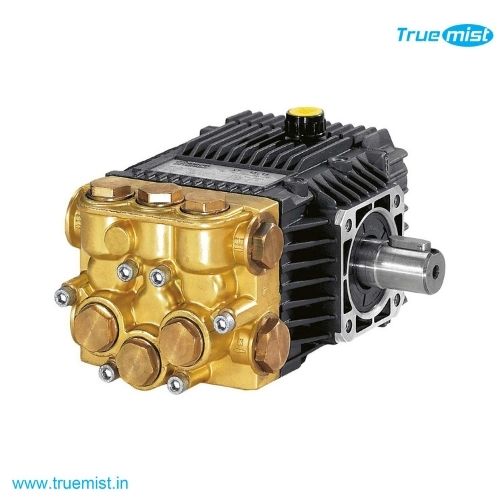
  • Misting pumps- high pressure misting Pump are used as water controllers. The water for the mist is carried either from water pumps or automated bores and generators. Mist pumps are the recommended way for water storage. They save required water and allow the system to partake water at the needed rate and pressure. In addition, misting pumps avoid motor inconvenience. The number of pumps is based on the area planned.
  • Connector pipes- The coherent supply of water from the pump to the sprinkler through the nozzle is by connector pipes. The size and density of the pipe are related to the nozzle sprinkler size.
  • Condensor Coil- The condenser coil is made either of copper or brass. Coil increases the pressure of the liquid and converts it into gas. So this is the main equipment required for the evaporation process. It perceives the moisture inside the compressor and leaves out the mist, and settles the entire place warm and cool.